Safety Issues That Show Up During Inspections
Electrical Code Corrections in Plant City for properties with safety deficiencies uncovered before closing
Home inspections routinely uncover electrical deficiencies that need correction before a transaction can close. Watsons Electrical Construction and Maintenance addresses these issues for home buyers, sellers, and Realtors in Plant City, working directly from inspection reports to resolve outdated wiring, improper installations, and code violations. When a sale depends on resolving specific electrical concerns, the work needs to happen quickly and transparently so all parties understand what was found, what gets corrected, and why the expense matters.
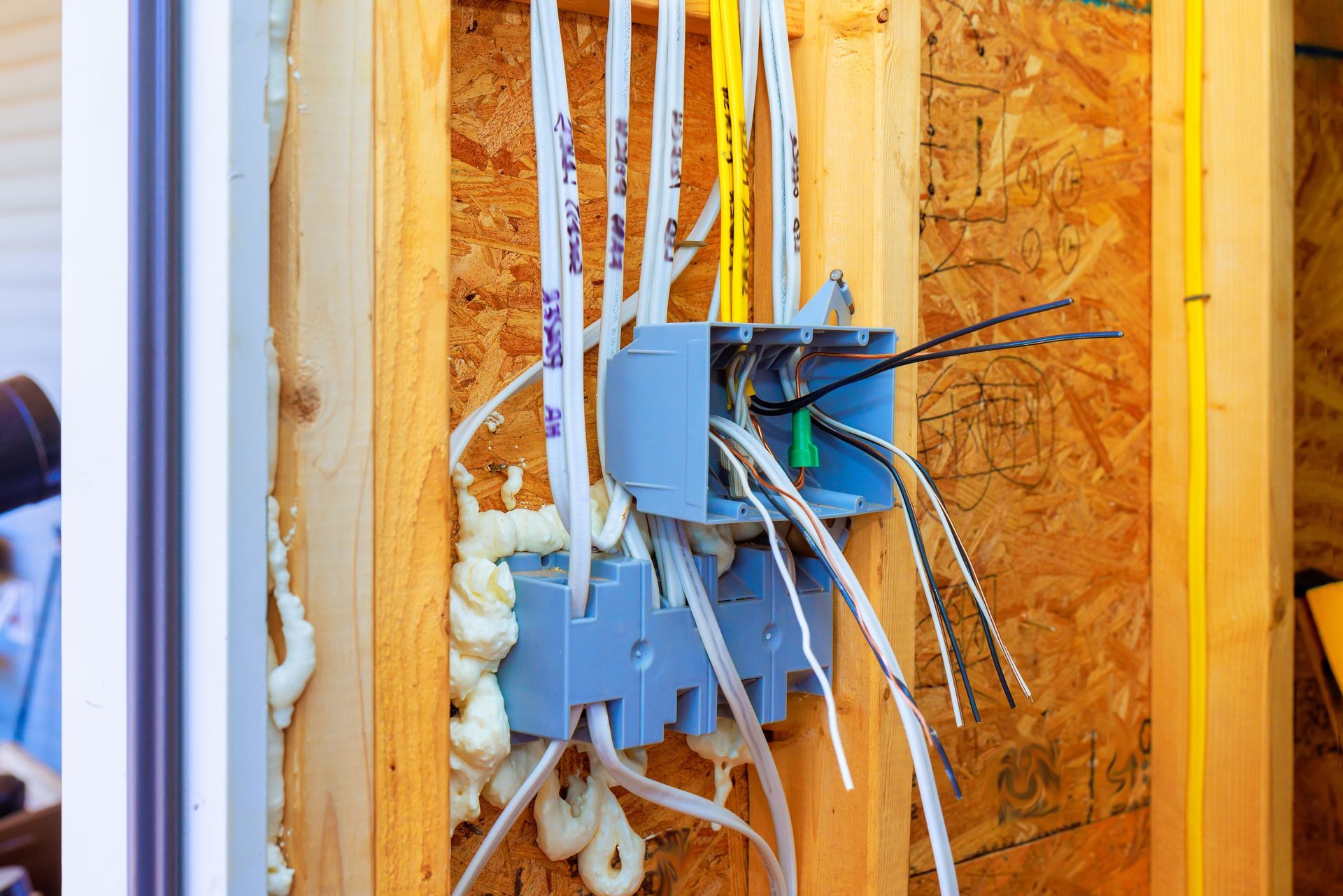
Code corrections typically involve replacing ungrounded outlets, adding GFCI protection in bathrooms and kitchens, correcting improper panel wiring, removing dangerous splices, and upgrading inadequate grounding systems. These deficiencies exist because electrical standards have evolved significantly over decades, and work that met code years ago no longer satisfies current safety requirements. Inspectors flag these problems not to complicate a transaction, but because they represent measurable shock and fire hazards that responsible parties need to address.
Schedule an inspection-based estimate to review the specific deficiencies listed in your home inspection report.
What Happens After Code Corrections Are Completed
Watsons evaluates each inspection report to determine what corrections are actually required versus what represents optional upgrades, then provides transparent pricing and clear explanations so buyers, sellers, and agents can make informed decisions. The work proceeds based on the documented deficiencies, addressing each item methodically and preparing documentation for reinspection when necessary. Responsive communication throughout the process ensures that closing timelines remain on track and all parties know the status of required corrections.
After corrections are finished, your electrical system meets the standards that triggered the inspection concern, outlets provide proper grounding and protection, panels function safely without overloaded circuits or improper connections, and the property passes reinspection. The corrections eliminate the specific hazards identified in the report, and documentation supports a clean closing without last-minute electrical obstacles.
Some corrections require permit applications and formal inspections, while others involve straightforward component replacement that resolves the documented deficiency without additional municipal oversight. The scope depends entirely on what the inspection report identified and what local code enforcement requires for that particular issue. Watsons clarifies which path applies to your situation and manages the process accordingly so the transaction proceeds without unnecessary delays.
Questions Before Starting Your Corrections
Real estate transactions often raise specific concerns about electrical work, particularly when timing affects closing dates and multiple parties need coordination.
What if the inspection report lists items that are not actually code violations?
Some inspection findings reflect outdated standards or observations that do not require correction under current code. Watsons reviews each item to clarify what genuinely needs attention and what falls outside enforceable requirements, helping you avoid unnecessary expenses while still addressing legitimate safety concerns.
How long does it take to complete typical code corrections found during home inspections?
Most residential code corrections identified in inspection reports take one to three days depending on the number of deficiencies and whether panel work or extensive rewiring is involved. Work gets scheduled as soon as the scope is approved, and communication keeps all parties informed when the property is ready for reinspection.
What happens if the seller refuses to make corrections and the buyer wants to proceed anyway?
The buyer can request that the work be completed after closing, and Watsons coordinates directly with the new owner to schedule corrections once the transaction finalizes. This approach allows the sale to proceed while ensuring the safety issues eventually get resolved by someone who understands what the inspection flagged.
Do all code corrections require permits and reinspection in Plant City?
Minor corrections such as replacing ungrounded outlets or adding GFCI protection typically do not require permits, while panel replacements, service upgrades, and substantial rewiring almost always do. The inspection report and local code enforcement determine which category applies, and Watsons handles permit coordination when necessary.
What documentation will I receive after corrections are completed?
You receive detailed invoices describing the work performed, photographs showing before and after conditions when appropriate, and copies of any permits or inspection approvals obtained during the process. This documentation supports closing requirements and provides a record of the corrections for future property transfers.
Watsons Electrical Construction and Maintenance works directly with buyers, sellers, and Realtors to resolve electrical deficiencies that affect real estate transactions in Plant City. Request a detailed review of your inspection report to clarify required corrections and receive transparent pricing.