
Control Systems That Keep Production Running
PLC Panels & Control Panels in Plant City for facilities with automated equipment, robotics, and process control systems
Automated manufacturing equipment and industrial processes depend on control panels that house PLCs, motor starters, relays, power supplies, and the wiring that connects these components into functioning control systems. Watsons Electrical Construction and Maintenance specializes in PLC and control panel work for Plant City industrial facilities, handling panel construction, installation, wiring, modifications, and the electrical connections that integrate panels with machinery and field devices. This capability extends beyond typical electrical contractor scope, requiring technical knowledge of control logic, signal wiring, and troubleshooting methods specific to automated systems.
Control panel projects include building custom panels to equipment specifications, wiring purchased panels according to schematic diagrams, installing panels at equipment locations, connecting field wiring for sensors and actuators, and modifying existing panels when equipment is upgraded or production processes change. Work requires careful attention to wire routing, terminal connections, and labeling that maintenance personnel rely on during troubleshooting.
Arrange an initial consultation to discuss control panel requirements and equipment integration needs.
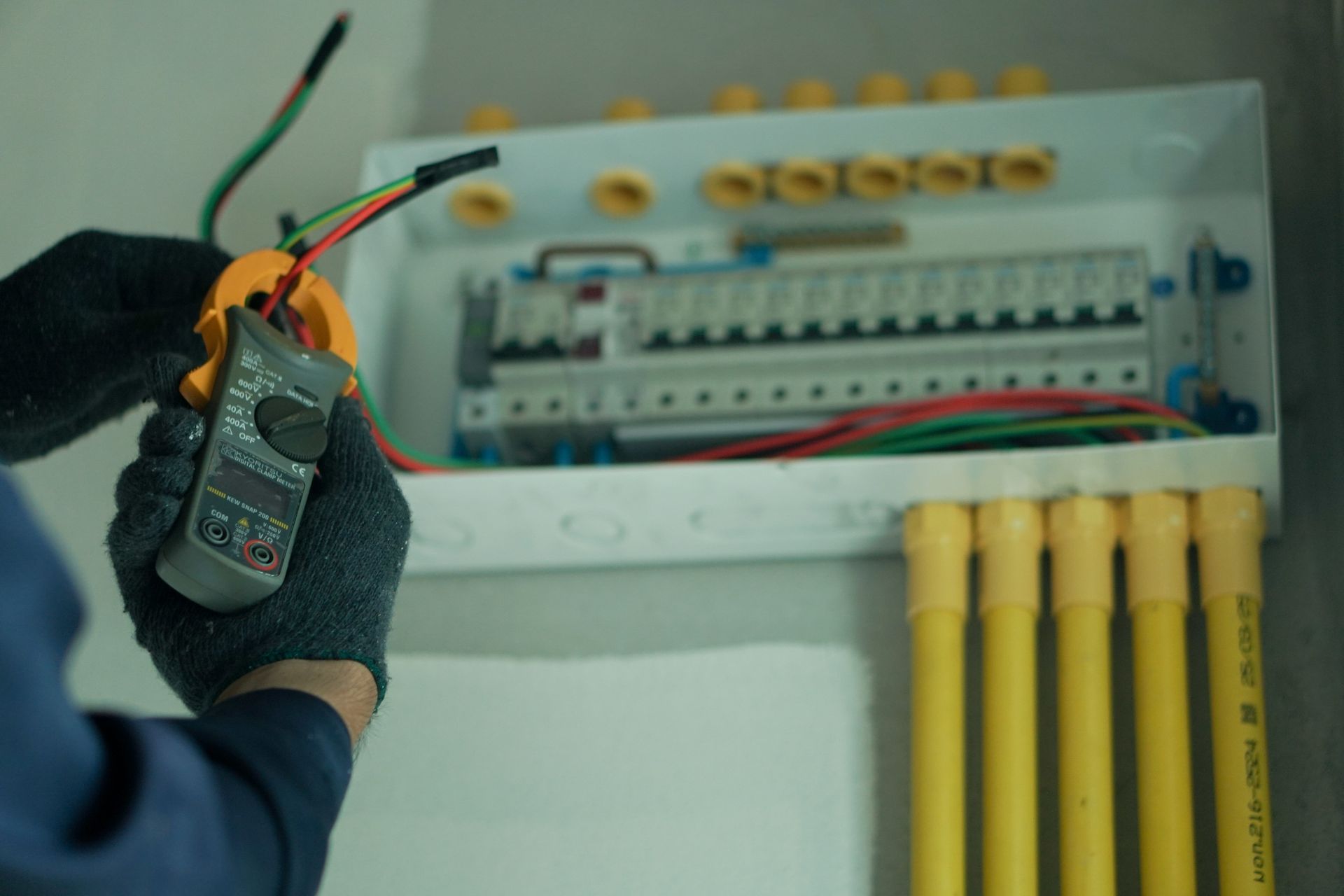
Why Control Panel Quality Affects Equipment Performance
Control panels function as the electrical and logic hub for automated equipment, receiving input signals from sensors, executing programmed logic through the PLC, and sending output commands to motors, valves, and actuators. Panel wiring must maintain signal integrity by separating low-voltage control wiring from high-voltage power circuits, using shielded cable where electrical noise is present, and creating secure terminal connections that won't loosen from equipment vibration. Poor panel construction creates intermittent faults that are difficult to diagnose and disrupt production unpredictably.
Once control panel work is completed and tested, equipment responds accurately to operator commands, automated sequences execute without unexpected stops, and sensors provide reliable feedback to the control system. Watsons ensures panel wiring matches documentation so future modifications or troubleshooting proceed efficiently without tracing unlabeled wires or correcting installation errors.
Control panel projects sometimes reveal issues with field wiring, sensor failures, or PLC configuration problems that affect equipment operation but aren't caused by the panel itself. Experienced troubleshooting identifies whether problems originate in the panel, field devices, or programming, preventing unnecessary panel modifications that wouldn't resolve the underlying issue.
What Industrial Clients Ask About Control Panels
Manufacturing facilities, machine builders, and industrial operations throughout Plant City often have technical questions about control panel construction, modifications, and integration with existing equipment.
What's involved in building a custom control panel?
Custom panel construction involves mounting components to backplates or DIN rail according to layout drawings, wiring connections per schematic diagrams, labeling all terminals and devices, and testing circuits before the panel is installed at the equipment location.
How do you troubleshoot control panel issues without disrupting production?
Troubleshooting begins with reviewing fault symptoms and recent changes, then using multimeters and PLC diagnostic tools to test signals and voltages while equipment is running when possible, isolating the problem before taking systems offline for repairs.
What causes control panels to develop problems after operating reliably?
Common causes include loose terminal connections from vibration, failed components reaching end of service life, electrical noise from nearby equipment affecting signal wiring, or changes to connected equipment that alter load characteristics beyond original design.
Why do some contractors avoid PLC and control panel work?
Control panel work requires understanding electrical schematics, PLC operation, signal types, and systematic troubleshooting methods beyond the scope of standard building wiring, making it specialized work that not all electrical contractors are equipped to handle.
When should control panels be upgraded or replaced?
Upgrades become necessary when PLCs reach obsolescence and replacement parts are unavailable, when production requirements exceed panel capacity, or when frequent failures indicate components have reached end of useful life and repairs are no longer cost-effective.
Watsons Electrical Construction and Maintenance brings specialized control panel experience to industrial facilities across Plant City, handling projects that require technical knowledge and careful workmanship. Contact Watsons for a free estimate on control panel construction, modification, or troubleshooting based on your equipment and facility requirements.