
Infrastructure for Expanding Industrial Facilities
Industrial Electrical Construction in Plant City for facilities installing new equipment, expanding operations, or upgrading power distribution
Industrial facilities expanding production lines or installing new machinery require electrical construction that delivers adequate power capacity, proper distribution, and infrastructure that supports equipment without creating bottlenecks during future growth. Watsons Electrical Construction and Maintenance handles electrical construction for Plant City industrial properties, covering power distribution systems, equipment connections, control wiring, lighting installations, and supporting infrastructure for manufacturing and warehouse operations. Projects range from single equipment installations to complete facility electrical systems, with clear communication and technical capability throughout the process.
Electrical construction projects involve designing or implementing power distribution from service entrance to equipment locations, installing panels and disconnects, running conduit and wire for machinery and controls, and coordinating with other trades during facility construction or renovation. Work also includes confirming that electrical installations meet equipment specifications, code requirements, and operational needs before systems are energized.
Schedule a project consultation to review electrical construction requirements and facility specifications.
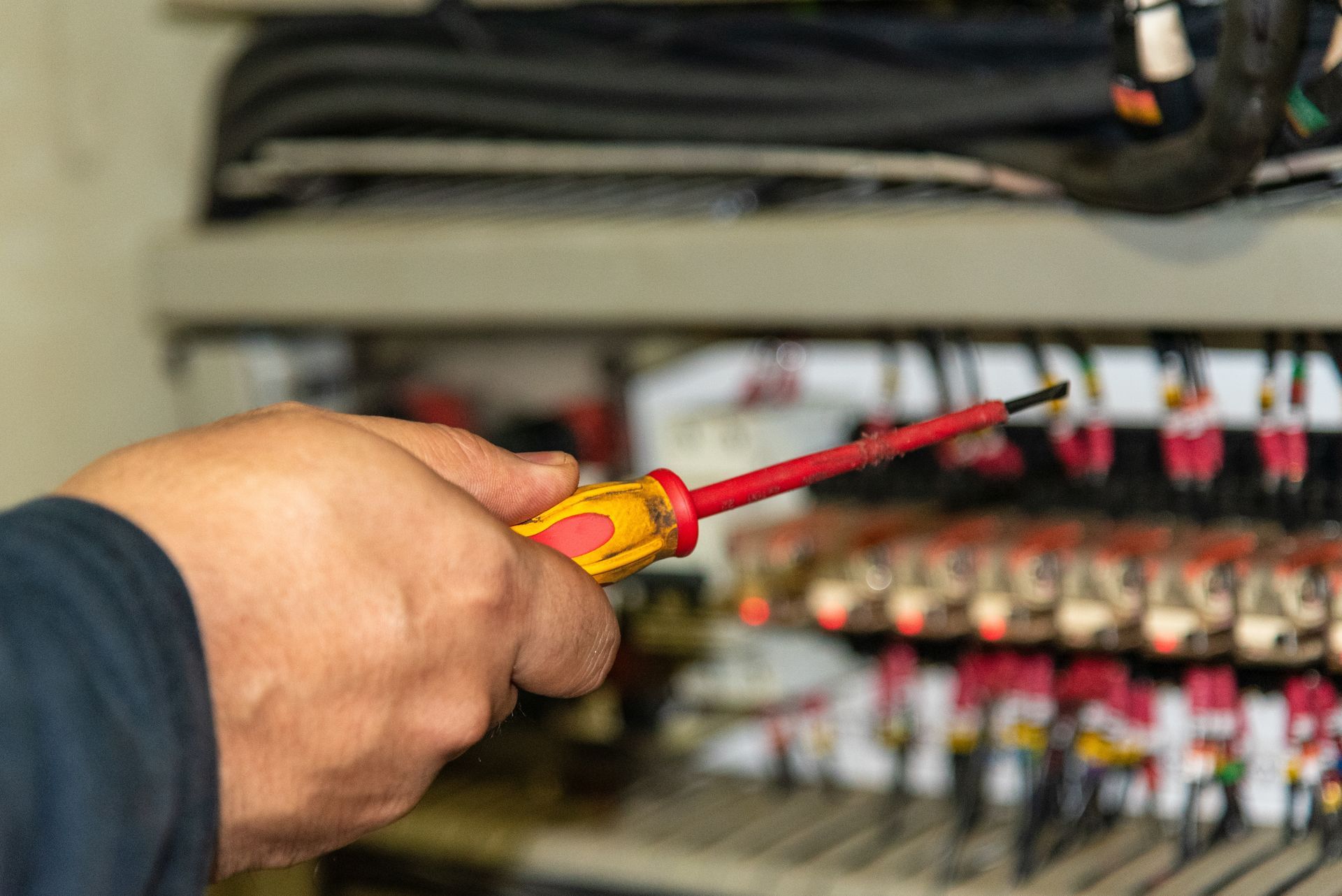
What Changes After Electrical Construction Completes
Industrial electrical construction transforms available power from utility service into distributed, protected circuits that feed machinery, lighting, controls, and support systems throughout your facility. This involves installing transformers where voltage conversion is needed, running bus duct or cable tray for high-amperage distribution, mounting and wiring motor control centers, and connecting individual equipment circuits with appropriate overcurrent protection and disconnects. Each installation follows electrical code and equipment manufacturer requirements to ensure safe, reliable operation.
After construction, equipment receives stable power at the correct voltage and phase, machinery starts and runs without tripping breakers or experiencing voltage drops, and control systems operate without interference from electrical noise or grounding issues. Facility lighting provides consistent illumination across production and storage areas, and electrical panels remain organized with clearly labeled circuits for maintenance access.
Electrical construction projects typically include as-built documentation showing circuit routing, panel schedules, and equipment connections, which facility maintenance teams use for future troubleshooting and expansion planning. Quality workmanship during construction reduces callbacks for loose connections, incorrect wire sizing, or code violations discovered during inspections.
Questions Before Starting Your Electrical Project
Industrial property owners, facility managers, and contractors planning electrical construction projects often need clarity on process, coordination, and project requirements before work begins.
What information do you need to provide an accurate construction estimate?
Accurate estimates require equipment specifications including voltage, amperage, and phase requirements, facility drawings showing equipment locations, and details about existing electrical service capacity and available space for new panels or distribution equipment.
How do you coordinate electrical work with other construction trades?
Coordination involves attending project meetings, reviewing schedules with general contractors or project managers, and communicating installation progress so other trades know when electrical rough-in is complete and finish work can proceed.
What permits and inspections are required for industrial electrical construction?
Most industrial electrical construction requires permits from local authorities, with inspections at rough-in and final stages to verify code compliance before the facility can legally operate equipment on installed circuits.
Why does electrical construction sometimes take longer than initially estimated?
Delays often result from equipment delivery changes, modifications to facility layouts during construction, unforeseen site conditions discovered during installation, or inspection corrections that require additional work before approval.
When should electrical construction begin relative to other facility work?
Electrical rough-in typically occurs after structural work and before interior finishes, though equipment connections happen later once machinery is positioned and mechanical systems are in place.
Watsons Electrical Construction and Maintenance provides free estimates for industrial electrical construction projects throughout Plant City, working with facility operators, contractors, and property owners to deliver quality electrical infrastructure. Request a detailed estimate to discuss your facility's electrical construction needs and project timeline.