
Backup Power Electrical Systems Installed Correctly
Generator Installation & Electrical Storm Services in Plant City for homeowners preparing electrical systems to support standby generators and storm-related power needs
Florida storm seasons bring extended power outages that leave homes without air conditioning, refrigeration, and essential electrical systems, which is why homeowners invest in standby generators that restore power automatically when utility service fails. The generator itself is only part of the solution—proper electrical installation requires transfer switches, dedicated circuits for priority loads, and integration with your existing panel that ensures safe operation and code compliance. Watsons Electrical Construction and Maintenance evaluates your property's electrical system, your intended generator capacity, and which circuits you want powered during outages, then recommends the appropriate electrical infrastructure to support reliable backup power in Plant City.
Generator electrical installation includes sizing and installing transfer switches, running circuits from critical loads to the transfer panel, ensuring proper grounding and bonding, and coordinating inspections required for final approval. Watsons does not sell or install the generator unit itself but handles all electrical work required to integrate a generator into your home's electrical system safely and in compliance with code requirements. Honest guidance means explaining what generator capacity your electrical loads require, what installation approach makes sense for your property layout, and what the total electrical installation will cost before any work begins.
Request a free estimate to discuss your generator electrical needs and receive transparent pricing for the installation work your property requires.
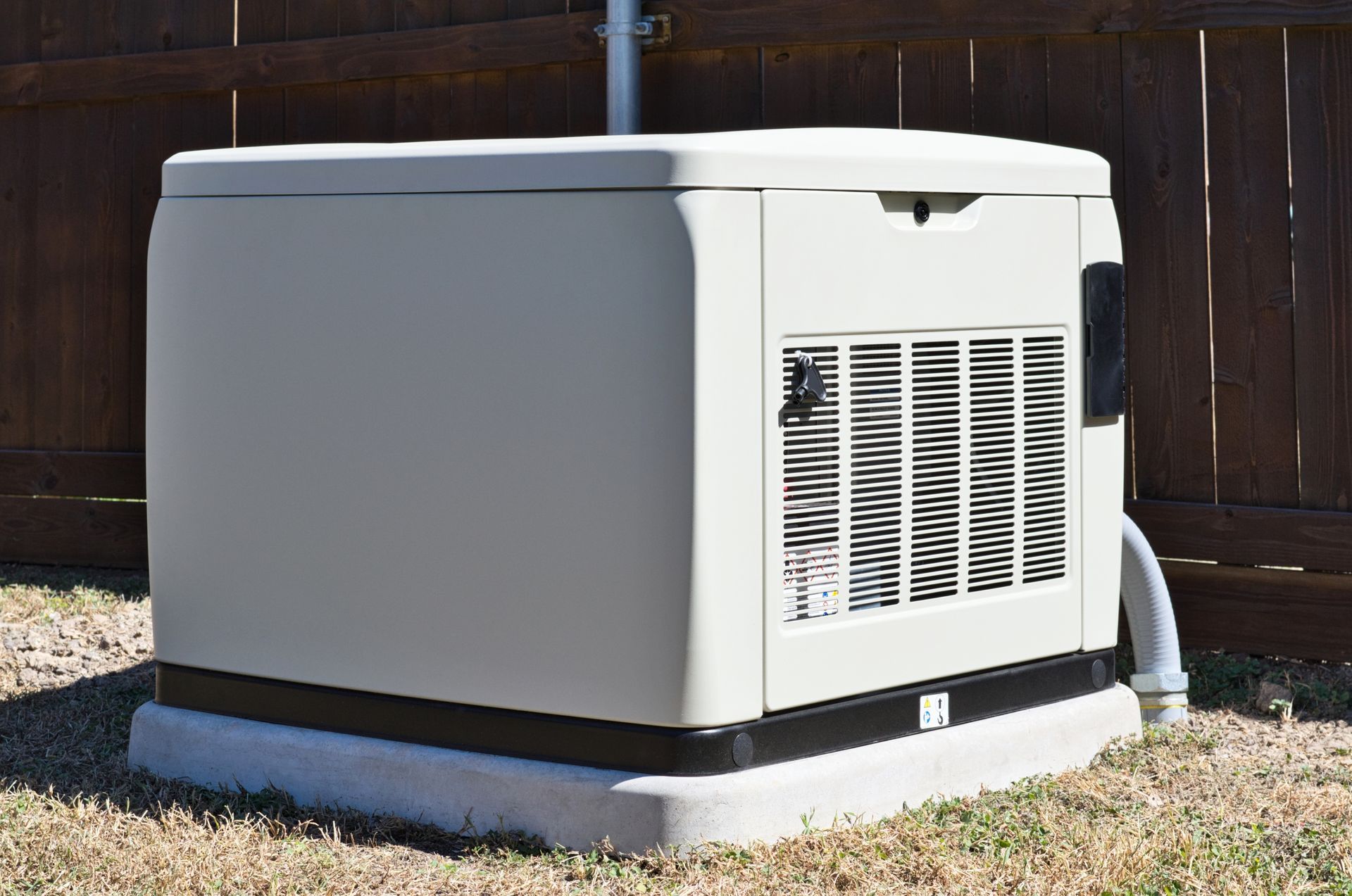
What Generator Electrical Installation Actually Accomplishes
Transfer switches isolate your home from utility power when the generator starts, preventing backfeed that endangers utility workers and protects the generator from damage when grid power returns. Watsons installs transfer switches sized appropriately for the generator capacity and the circuits you intend to power, whether that includes the entire home or selected critical loads such as HVAC, refrigeration, lighting, and well pumps. The installation process includes calculating load requirements, positioning the transfer switch accessibly, and routing circuits so the system operates safely without requiring manual intervention during outages.
After generator electrical installation is complete, the transfer switch automatically disconnects your home from utility power when an outage occurs and the generator starts, then reconnects to grid power once utility service is restored and stable. Selected circuits receive power from the generator, appliances and systems connected to those circuits operate during outages, and the installation meets code requirements for grounding, overcurrent protection, and safe isolation between utility and generator sources.
Storm-related electrical services also include evaluating your system for vulnerabilities that outages or surges expose, such as inadequate panel capacity to restore full loads after extended outages, lack of whole-house surge protection, or outdated wiring that may fail when power is restored after storms. Watsons provides recommendations based on your specific electrical infrastructure and storm preparedness goals, with transparent pricing and no pressure to purchase services beyond what your situation requires.
What Property Owners Usually Ask
Homeowners considering generator installation or improving storm preparedness often ask about electrical requirements, what the installation involves, and how to prioritize which systems receive backup power.
What electrical work is required to connect a standby generator?
The installation includes mounting and wiring a transfer switch, running circuits from critical loads to the transfer panel, installing a dedicated breaker for the generator connection, ensuring proper grounding, and coordinating inspection and approval.
How do you determine which circuits should be powered by the generator?
The process involves listing appliances and systems you want operational during outages, calculating their combined electrical load, and comparing that total to the generator capacity to ensure the unit can support all selected circuits simultaneously without overload.
Why do generators require transfer switches instead of connecting directly to the panel?
Transfer switches prevent simultaneous connection to utility and generator power, which protects lineworkers from dangerous backfeed, prevents generator damage from utility power return, and ensures code-compliant operation that passes inspection.
What generator capacity do most homes in Plant City require?
Typical residential installations range from 10 to 22 kilowatts depending on whether you're powering the entire home or selected critical circuits, with capacity requirements driven by HVAC load, well pumps if applicable, and the number of simultaneous appliances you expect to operate during outages.
Can you install electrical infrastructure before I purchase the generator?
Yes, Watsons can install transfer switches and circuit routing based on your intended generator specifications, allowing you to complete the electrical work on your timeline and connect the generator unit when you're ready to purchase and install it.
Watsons Electrical Construction and Maintenance provides honest recommendations and transparent pricing for generator electrical installation and storm preparedness upgrades throughout Plant City. Schedule a consultation to evaluate your property's electrical system and discuss backup power options that fit your needs and budget.