
Power Connections That Match Production Demands
Machinery & Equipment Wiring in Plant City for manufacturing facilities adding or relocating production equipment
Manufacturing equipment stops producing when electrical connections are undersized, improperly routed, or incompatible with how the machinery draws power during startup and operation. Watsons Electrical Construction provides electrical wiring and power infrastructure for industrial machinery, production systems, and equipment installations in Plant City. The service addresses electrical requirements for equipment that ranges from conveyor systems and packaging machines to CNC equipment and material handling systems, ensuring that power distribution supports the load characteristics of each machine.
Electrical wiring for machinery involves more than running cable from a panel to a motor terminal. Equipment installers, facility managers, and contractors need an electrician who understands how automated equipment operates, how control circuits interact with PLCs, and how to plan wiring that accommodates both current needs and future reconfigurations. Watsons plans wire sizing based on actual motor nameplate data, determines disconnect locations that meet code while remaining accessible, and coordinates with equipment suppliers to confirm connection requirements before installation begins.
Arrange an on-site consultation to review electrical infrastructure for your machinery installation.
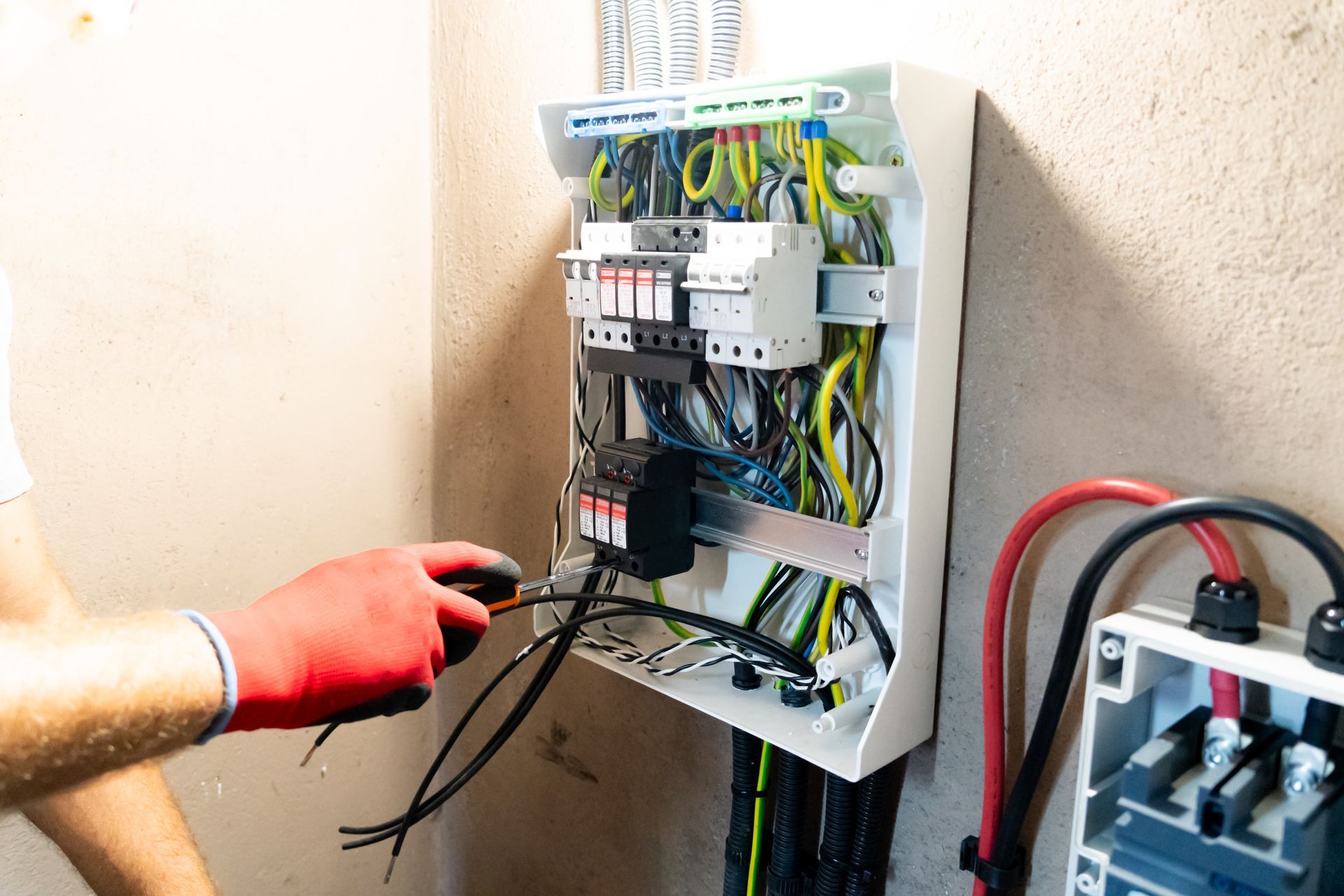
How Machinery Wiring Addresses Equipment Reliability
The process starts with reviewing equipment specifications, existing electrical capacity, and the facility layout where machinery will operate. Watsons evaluates whether current panels and transformers can handle additional load, identifies the most practical conduit routes that avoid interference with production flow, and determines grounding requirements based on equipment type. For machinery with variable speed drives or servo motors, wiring must account for harmonic currents that can affect other equipment on the same circuit.
After installation, machinery starts without tripping breakers, operates at the performance levels specified by the manufacturer, and remains accessible for maintenance without requiring production shutdowns to reach electrical connections. Wiring is labeled to match equipment drawings, making it easier for your maintenance team to identify circuits during troubleshooting.
The work includes coordination with equipment installers and production schedules, so electrical connections are completed when machinery is ready for power-up testing. Facilities benefit from planning that reduces downtime and allows equipment to be energized safely during commissioning.
Common Questions About This Service
Facility managers and equipment installers in industrial environments typically want to understand the process before electrical work begins.
What details are needed to plan machinery wiring correctly?
Watsons uses equipment nameplates, motor horsepower, voltage requirements, and control system specifications to determine wire size, conduit type, and disconnect placement before materials are ordered.
How do you handle equipment that will be relocated in the future?
Wiring can be installed in flexible conduit or cable tray systems that allow machinery to be moved without complete rewiring, which is common in facilities that reconfigure production layouts.
What if the existing electrical panel does not have enough capacity for new equipment?
The service includes evaluating your current electrical infrastructure and providing recommendations for panel upgrades, subpanels, or transformer additions based on total facility load.
Why does equipment wiring require coordination with production schedules?
In Plant City manufacturing facilities, electrical connections are often completed during planned shutdowns or off-shift hours to avoid disrupting active production lines, which requires advance planning.
What happens after the machinery is wired and tested?
You receive documentation showing circuit numbers, breaker locations, and wire routing, along with confirmation that equipment operates at the voltage and current levels specified by the manufacturer.
Watsons Electrical Construction supports manufacturers, warehouses, and industrial contractors who need dependable electrical work around sophisticated equipment. Request an estimate tailored to your machinery specifications and facility layout.